
Overview
Stroke accounts for 7.7% of all deaths and 4.2% of DALYs in Karnataka (2019), highlighting the urgent need for enhanced stroke prevention, care, and rehabilitation efforts. Understanding the natural history, risk factors, distribution, disability patterns, cost of care, management practices, and caregiver burden of stroke is essential for organizing evidence-based health systems. Population-based cohorts can provide high-quality evidence to assess system preparedness, management outcomes, and the effectiveness of stroke care interventions.

Vision
To pioneer advancements in stroke prevention and management, leading to improved health outcomes and quality of life.

Mission
To bridge critical knowledge gaps in stroke epidemiology by analyzing the combined effects of multiple risk factors and improving health outcomes through tailored intervention strategies.

Goal
To develop an India-specific stroke risk predictability calculator and provide evidence-based recommendations for effective stroke prevention, management, and rehabilitation.

29,578
Household Data Collected

49,874
Individuals Data Collected

30,160
Blood Sample Collected

Study Hospitals

223
Stroke Cases Recruited

263
Sensitization Programs
ABOUT THE PROJECT

Large-scale Research
This project is a comprehensive study aiming to understand the natural history of stroke in Karnataka.

Innovative Study Design
The study uses a retrospective-prospective mixed cohort approach to develop improved care and prevention strategies.

Locations Covered
The study is being conducted in urban wards of Bengaluru and a taluka of Kolar district, covering over 200,000 eligible participants. Read More >>
WHY THIS STUDY
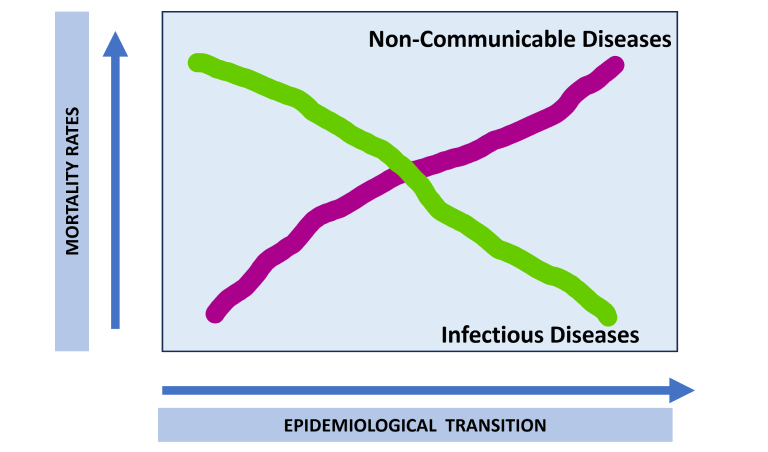
Epidemiological Transition
India is currently undergoing a shift from communicable to non-communicable diseases, with stroke emerging as a major public health concern.
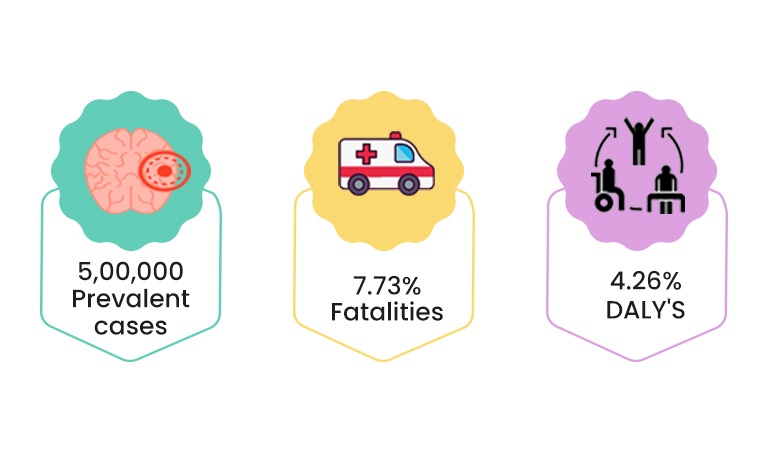
Stroke Burden In India
Stroke accounts for 7.73% of fatalities and 4.26% of DALYs in Karnataka, with an estimated 500,000 prevalent cases placing a significant burden on the healthcare system.

Dynamic Stroke Risk Factors
Incidence of stroke is largely dependent on the prevalence of dynamic risk factors, which need to be understood through comprehensive epidemiological data.
STUDY
OBJECTIVES

Incidence and Risk Association
To estimate the incidence and incidence rates of first-ever stroke among individuals with various risk factors—both individually and in combination—in Karnataka, and to assess the strength of association between these risk factors and acute first-ever stroke.

Survival, Disability, and Quality of Life
To evaluate short- and long-term outcomes—including survival, disability, and quality of life—among first-ever stroke patients in Karnataka, and to identify factors associated with these outcomes along with their strength of association.

Risk Predictability Calculator
To develop a stroke risk prediction tool for estimating the likelihood of first-ever stroke over specific time periods, based on individual and combined risk factors.
OUR PARTNERS
