
A stroke, sometimes called a brain attack, occurs when something blocks blood supply to part of the brain or when a blood vessel in the brain bursts. In either case, parts of the brain become damaged or die. A stroke can cause lasting brain damage, long-term disability, or even death.
PREVENTING STROKE

Balanced Diet
Maintaining a diet rich in fruits, vegetables, and lean proteins can help improve your overall cardiovascular health and lower inflammation, which is linked to stroke risk.

Regular Exercise
Regular physical activity is crucial for supporting your cardiovascular health and reducing your risk of stroke.

Stress Management
Effective stress management techniques can help lower your blood pressure and inflammation, two key risk factors for stroke.
Preventing Stroke: Understanding the Risks and Protecting Your Brain
Understanding Stroke
A "brain stroke" or "brain attack" is an event that deprives the brain of blood and oxygen, compromising its effective operation. This can cause lasting effects like vision problems, seizures, paralysis, and even death.
Who is at Risk?
Those with high blood pressure, high cholesterol, heart disease, diabetes, obesity, or unhealthy lifestyle habits like smoking and physical inactivity are most vulnerable to brain stroke.
Preventing Stroke
Simple lifestyle changes like quitting smoking, reducing alcohol, eating a healthy diet, exercising regularly, and managing conditions can greatly reduce the risk of brain stroke and other noncommunicable diseases.
Recognizing the Signs
Identifying the early warning signs of stroke - facial drooping, arm weakness, speech difficulties - is crucial to seeking immediate medical care and preventing disability or death.
Who is at risk of having a stroke?

Heavy alcohol consumption
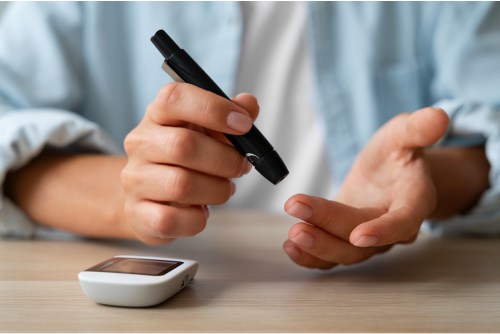
Diabetes
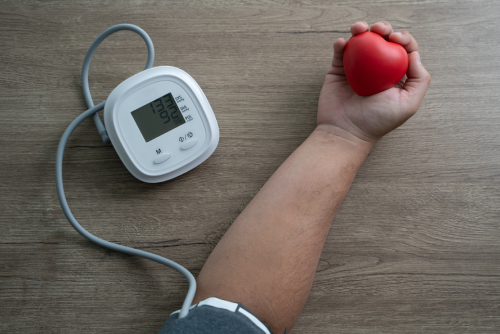
High Blood Pressure
Smoking
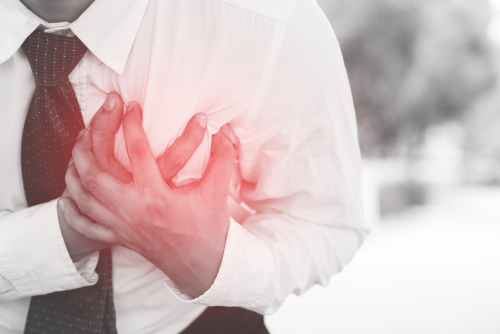
Prior mini-stroke or heart attack
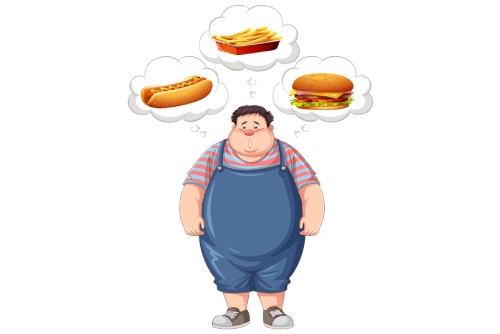
Obesity
Know the signs of stroke
- Sudden numbness in one half of the body
- Sudden difficulty in speaking or understanding speech
- Sudden trouble seeing in one or both eyes
- Sudden loss of consciousness
- Sudden trouble walking, dizziness or loss of balance
- Sudden severe headache with no known cause
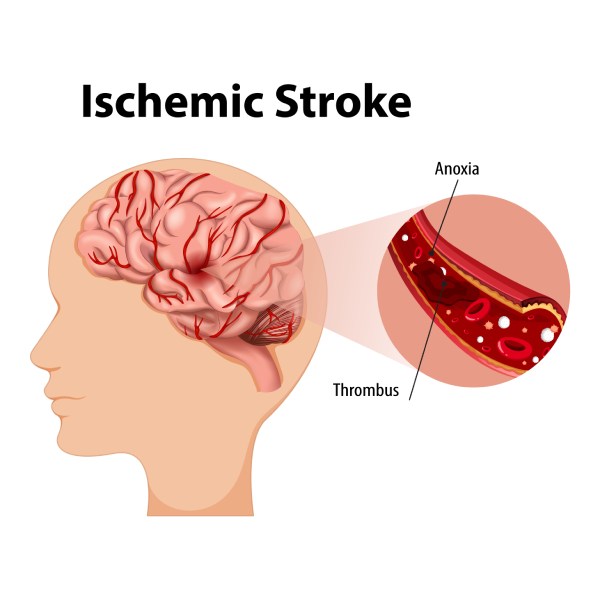
Transient ischemic Attack (TIA or “mini-stroke”)
TIAs are sometimes known as “warning strokes.” It’s important to know that:
- A TIA is a warning sign of a future stroke.
- A TIA is a medical emergency, just like a major stroke.
- Stroke and TIAs require emergency care. CAll 102/108 right away if you feel symptoms of a stroke or see signs in another person.
- There is no way to know in the beginning whether symptoms are from a TIA or from a major type of stroke.
- Like ischemic strokes, blood clots often cause TIAs.
- Recognizing and treating TIAs can lower the risk of a major stroke. If you have a TIA, your health care team can find the cause and take steps to prevent a major stroke.